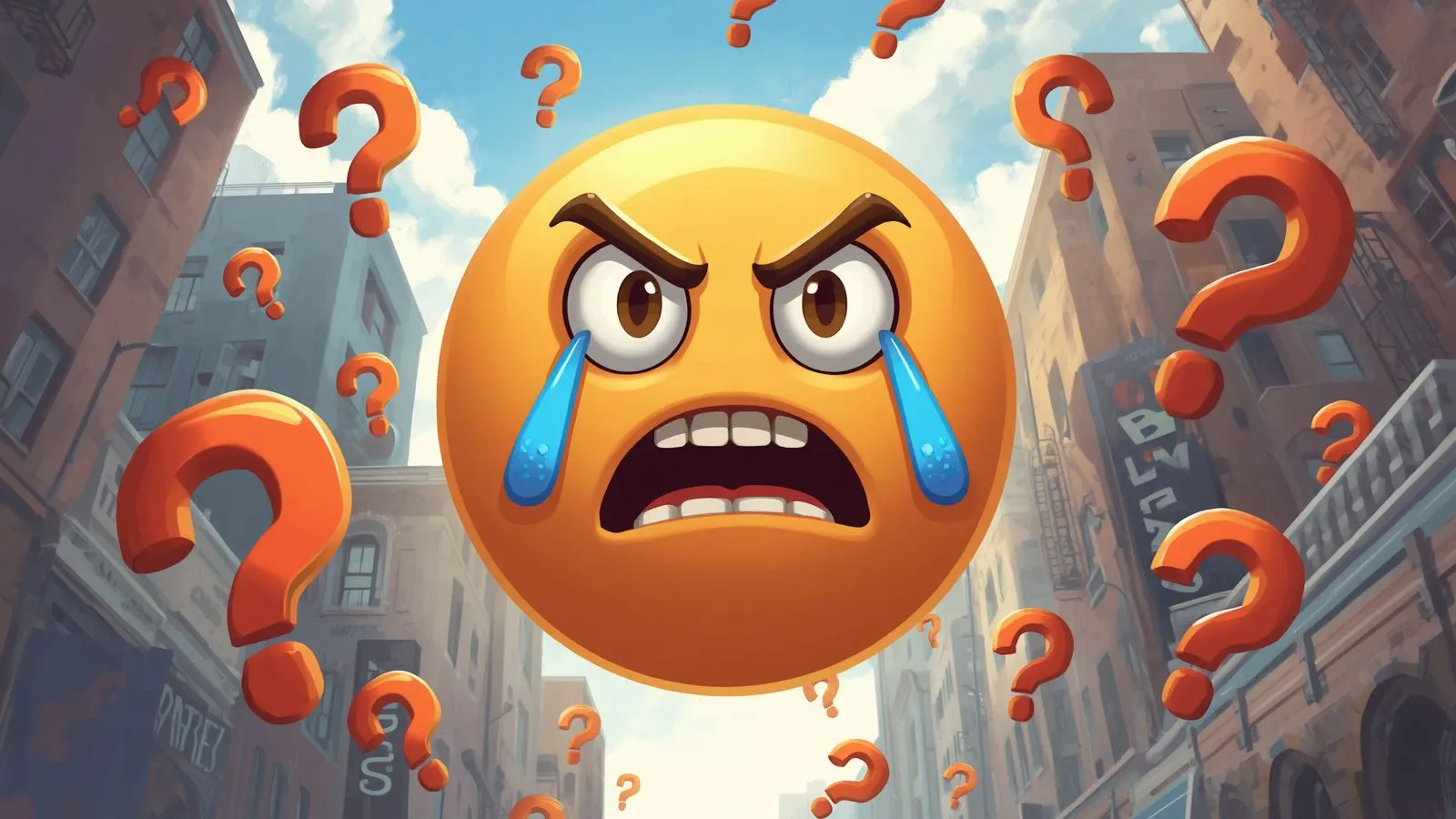
Ever sent a 😟 or 😰 text and wondered if it looked worried, nervous, or just plain awkward?
Sometimes one tiny emoji can completely change the mood of a message maybe you texted a friend 😟 after hearing bad news, or used 😰 before an exam because words alone weren’t enough.
Concerned emojis are everywhere in chats, TikTok captions, Instagram comments, and WhatsApp conversations because they instantly show stress, care, anxiety, or emotional tension.
In 2026, these emojis are even more popular thanks to emotional texting trends and reaction-based communication online.
This guide explains what the concerned emoji means, how people use it, the best copy-paste combinations, aesthetic social media ideas, and solutions to common emoji confusion so you never send the wrong vibe again.
What does Concerned Emoji mean?
The “concerned emoji” usually refers to emojis that express worry, nervousness, sadness, stress, or emotional discomfort. Different platforms and people may use different concerned-looking emojis depending on the situation.
Here are the most common concerned emojis and their meanings:
| Emoji | Meaning | Common Usage |
|---|---|---|
| 😟 | Worried face | Concern, sadness, uneasiness |
| 😰 | Anxious face with sweat | Panic, stress, fear |
| 😥 | Sad but relieved | Emotional exhaustion |
| 🥺 | Pleading face | Sympathy, emotional concern |
| 😧 | Shocked face | Fear or disbelief |
| 😨 | Fearful face | Anxiety or worry |
| 😔 | Pensive face | Quiet sadness |
| 😬 | Grimacing face | Awkward concern |
People often use concerned emojis to:
- Show emotional support
- React to bad news
- Express nervousness
- Apologize softly
- Share anxiety or stress
- Add emotion to dry text messages
Real-life examples
- 😟 Hope you’re okay.
- 😰 I forgot the assignment deadline.
- 🥺 Please don’t be mad.
- 😔 Today feels heavy.
How to use Concerned Emoji emojis
Concerned emojis work best when you want your message to feel emotional, caring, or vulnerable. They soften conversations and make texts feel more human.
In texting
- I’m a little worried 😟
- Did you reach home safely? 😰
- Sorry for replying late 😔
On WhatsApp
People often use concerned emojis in family chats or emotional conversations.
- Take care please 🥺
- Don’t stress too much 😥
On TikTok
Concerned emojis are trending in dramatic captions and relatable anxiety posts.
- Me checking my bank account 😰
- When the teacher says “stay after class” 😟
On Instagram
Use them in emotional captions, breakup quotes, or late-night thoughts.
- Healing slowly 😔
- Trying my best 🥺
Gaming and online reactions
- My internet during ranked matches 😭😰
- Bro scared me 😨
Best emoji combinations for copy paste
Here are popular concerned emoji combinations ready to copy and paste.
Worried combinations
- 😟💭
- 😰📱
- 😔🖤
- 😥☔
- 🥺👉👈
Anxiety vibe combos
- 😰⚡
- 😨💔
- 😬📚
- 😟⏳
- 😵💫😰
Cute emotional combos
- 🥺💗
- 😔🌙
- 😥🫶
- 😟✨
- 🥺🎧
Friendship concern combos
- 😟❤️
- 🥺🤍
- 😰🙏
- 😔🌧️
- 😥💬
Viral TikTok-style combos
- 😰💀
- 😟📉
- 🥺✨
- 😭😰
- 😔🎶
Aesthetic emoji ideas for social media
Concerned emojis are huge in aesthetic posting because they add emotional depth and relatability.
Soft aesthetic captions
- tired but trying 😔☁️
- emotionally offline 😟📴
- overthinking again 😰🌙
Dark aesthetic style
- silent battles 😔🖤
- anxiety at 3am 😰🌧️
- smiling outside 😥✨
Cute TikTok bio ideas
- 🥺 surviving daily chaos
- 😰 professional overthinker
- 😔 healing in progress
Instagram notes ideas
- stressed again 😰
- mentally tired 😔
- please be kind 🥺
Common problems and solutions
Why does the concerned emoji look different on iPhone and Android?
Emoji designs change across platforms. An emoji that looks sad on Android may appear more anxious on iPhone.
Why do people misunderstand 😬?
The grimacing face 😬 can mean nervousness, awkwardness, fake smiling, or stress. Context matters.
Which emoji is best for emotional concern?
- 😟 for general worry
- 🥺 for emotional softness
- 😰 for anxiety or panic
- 😔 for sadness
Why do emojis sometimes appear as boxes?
Your device may not support the newest emoji updates. Updating your operating system usually fixes this.
Is 🥺 still popular in 2026?
Yes. 🥺 remains one of the most-used emotional emojis on TikTok, Instagram, and messaging apps because it feels expressive and relatable.
Trending emoji usage in 2026
In 2026, emotional expression online is more visual than ever. Concerned emojis are being used in short-form reactions, meme captions, and relatable mental-health content.
Biggest concerned emoji trends
- “Overthinking” memes using 😰
- Soft emotional edits with 😔
- Cute apology texts using 🥺
- Reaction memes combining 😟💀
- Anxiety humor captions
Most viral concerned emojis in 2026
| Emoji | 2026 Trend |
|---|---|
| 🥺 | Emotional texting |
| 😰 | Anxiety memes |
| 😔 | Sad aesthetic posts |
| 😟 | Genuine concern |
| 😭 | Dramatic reactions |
People now combine concerned emojis with aesthetic symbols, music lyrics, and relatable humor to create emotional online personalities.
FAQs
What is the main Concerned Emoji?
The most recognized concerned emoji is 😟 because it clearly shows worry and uneasiness.
What does 😰 mean in texting?
😰 usually means stress, panic, nervousness, or anxiety.
Is 🥺 a concerned emoji?
Yes. 🥺 often expresses emotional concern, sadness, vulnerability, or pleading feelings.
Which concerned emoji is best for serious situations?
😟 and 😔 are better for sincere emotional conversations, while 😰 is more dramatic.
Why are concerned emojis popular on TikTok?
They make captions feel relatable, emotional, and expressive in short-form content.
Can concerned emojis look different on devices?
Yes. Apple, Samsung, Android, and WhatsApp all display emojis differently.
Conclusion
Concerned emojis have become a huge part of online communication because they express emotions that words sometimes cannot explain clearly.
If you use 😟 to show worry, 😰 for stress, 🥺 for emotional softness, or 😔 for sadness, these tiny symbols help conversations feel more personal and relatable.
In 2026, concerned emojis are no longer just reaction icons they are part of internet culture, aesthetic posting, meme humor, and emotional storytelling across TikTok, Instagram.
Snapchat, and WhatsApp. People use them to comfort friends, react to life situations, share anxiety humor, or simply make messages feel warmer and more human.
Understanding the meaning behind each concerned emoji helps you avoid confusion and communicate the exact emotion you want.
From copy-paste combinations to aesthetic captions and trending uses, concerned emojis continue to shape the way people connect emotionally online every single day.